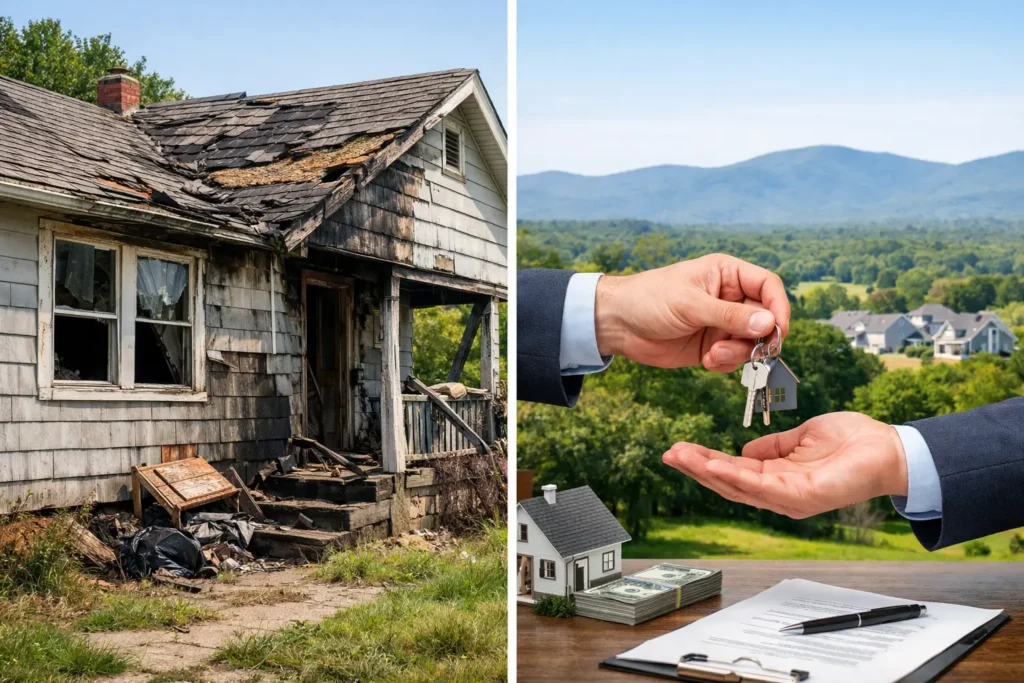
A leaking roof, fire damage, old plumbing, mold, or a house that has simply been neglected for years can make selling feel impossible. But if you are asking, can I sell a damaged house in Virginia, the answer is yes. You do not have to make every repair, pass every buyer inspection, or spend months waiting for the right offer to move on.
The best path depends on the condition of the property, your timeline, and how much money and energy you can put into it before closing. For some homeowners, repairing and listing the house makes sense. For others, especially those facing financial pressure, an inherited home, a vacant property, or a major repair bill, selling as-is to a direct cash buyer can provide a much cleaner exit.
Can I Sell a Damaged House Without Fixing It?
Yes. A damaged house can be sold in its current condition. The real question is who you sell to and what trade-offs you are willing to make.
A traditional buyer using a mortgage will often want a home that meets lender and insurance requirements. If an appraisal identifies serious issues, such as structural movement, an unsafe electrical panel, water damage, or a failed septic system, the loan may be delayed or denied. Even when the sale stays on track, buyers may ask for repairs, credits, price reductions, or another inspection.
Selling as-is does not mean hiding known problems. In Virginia, sellers should still disclose material defects they know about when required. It means you are not agreeing to renovate, repair, or improve the home as a condition of the sale. The buyer understands the property needs work and prices that reality into the offer.
A direct cash buyer is not dependent on a bank appraisal or buyer financing. That can be particularly helpful when the damage is severe enough to limit the pool of traditional buyers.
When Repairs May Not Be Worth It
Homeowners are often told to repair everything before selling. That advice can work for a well-maintained home with a few cosmetic issues. It is not always the right answer for a property with large, uncertain, or compounding problems.
Consider a house with an aging roof, plumbing leaks, outdated wiring, and damaged flooring. Replacing only the roof may cost thousands of dollars, but the inspection could uncover more issues later. If you are already behind on payments, handling a divorce, relocating, or managing an estate, coordinating contractors can add more stress without guaranteeing a higher net amount.
Repairs may not be worth it when:
- The home needs major structural, foundation, roof, electrical, plumbing, or mold work.
- You do not have the cash to complete repairs before a sale.
- The property is vacant, tenant-occupied, inherited, or located far from where you live.
- You need to close quickly because of foreclosure, a job move, divorce, or mounting holding costs.
- You do not want to risk spending money on repairs only to face buyer negotiations afterward.
The key number is not the highest possible listing price. It is what you could realistically take home after repairs, agent commissions, closing costs, months of taxes and insurance, buyer concessions, and the risk of a deal falling apart.
Your Main Options for Selling a Damaged House
Repair and List With an Agent
If the damage is limited and you have time, money, and patience, repairing the property and listing it may bring a higher sale price. This route usually requires preparing the home for showings, making repairs, negotiating after inspection, and waiting for a financed buyer to close.
It can be a reasonable choice when the home is in a strong market area and the needed repairs are straightforward. Just be realistic about your budget and timeline. A project that starts as a bathroom update can expose plumbing, electrical, or water-damage problems behind the walls.
List the House As-Is
You can also place the home on the market as-is through an agent. This may attract investors, contractors, or buyers looking for a project. However, you may still need to clean the property, allow showings, pay commissions, and work through inspection requests.
An as-is listing does not always mean a fast or guaranteed sale. Buyers can still renegotiate, and a financed buyer may still have lender-related hurdles if the condition is poor.
Sell Directly for Cash
A direct sale can be the most practical option when speed and certainty matter more than preparing the property for the market. The buyer evaluates the house, makes an offer based on its current condition, and takes on the repairs after closing.
With Legacy Virginia Homebuyers, homeowners can provide basic property information, receive a no-obligation cash offer, and choose a closing date that works for their situation. There are no agent commissions, no repair list to complete, and no need to wait for a buyer’s lender to approve the deal. Depending on the situation, closing can happen in as little as seven days.
A cash offer may be lower than the top-end price of a fully repaired home. But it can also save you from paying for repairs, carrying costs, repeated showings, and last-minute demands from a traditional buyer. For many sellers, that certainty is worth more than chasing a number that may never reach the closing table.
Common Types of Damage Cash Buyers Can Handle
You do not need a picture-perfect home to request an offer. Direct buyers regularly purchase properties with issues that make a retail sale difficult, including water damage, roof leaks, fire damage, smoke damage, mold concerns, foundation cracks, outdated kitchens and bathrooms, broken HVAC systems, and unfinished renovations.
They can also buy houses with personal-property problems that are not strictly repair issues. Maybe the home is full of belongings after an inheritance. Maybe tenants left damage behind. Maybe it has been vacant long enough for maintenance to become overwhelming. These situations can feel like too much to solve alone, but they do not prevent a sale.
The offer will reflect the work required, the neighborhood, local market value, and the cost and risk the buyer is taking on. A fair offer is not based on pretending the damage does not exist. It is based on giving you a clear, workable path forward without asking you to carry the repair burden first.
What to Do Before You Sell
You do not need to renovate before speaking with a buyer, but a little preparation can make the process easier. Gather any information you have about the property, including mortgage details, tax information, insurance claims, repair estimates, and documents related to liens or probate. If you know of damage, be direct about it. Clear information helps prevent surprises and allows the buyer to evaluate the situation properly.
You should also think about your real deadline. Do you need to stop foreclosure? Are you moving for work? Do you need to coordinate a sale with a divorce agreement or an estate? Your closing date matters just as much as the offer amount. A buyer who can close on your schedule may solve a problem that a higher but uncertain offer cannot.
If there is a mortgage balance, lien, code violation, or unpaid taxes, do not assume you cannot sell. These issues need to be addressed at closing, and the details matter. A direct buyer can review the situation with you and explain whether a sale is workable before you commit to anything.
How a Fast As-Is Sale Works
The process should be simple. First, share the property address and a straightforward description of its condition. You do not need to clean, repair, stage, or hide the problems.
Next, review the cash offer. A legitimate offer should be clear, with no pressure to accept and no obligation simply for asking. Take the time you need to compare it with the cost, time, and uncertainty of your other options.
If you decide to sell, you choose a closing date that fits your needs. Once the sale closes, you receive payment and the buyer takes responsibility for the house and its repairs. No open houses. No contractor scheduling. No waiting to see whether a buyer’s financing falls through.
A Damaged House Does Not Have to Keep You Stuck
Damage can make a house harder to sell through the usual process, but it does not erase its value or leave you without options. Whether the property needs a few updates or a complete overhaul, you deserve a clear answer about what it would take to move on. Start with the facts, compare your realistic costs, and choose the sale path that gives you the most relief on your timeline.