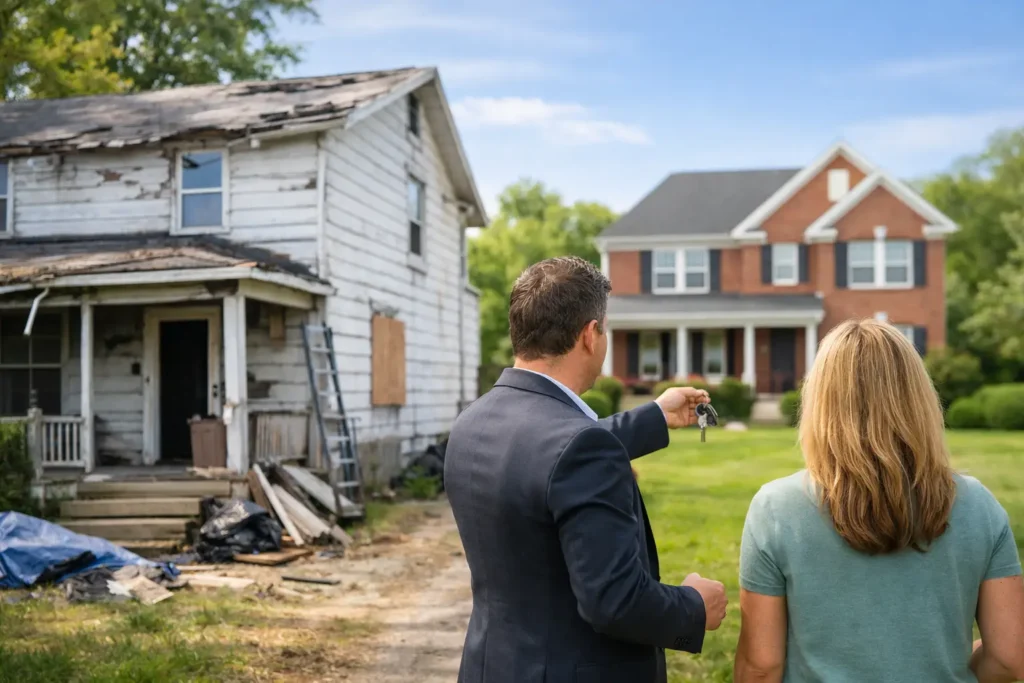
A leaking roof, outdated electrical panel, water damage, foundation cracks, or a house full of belongings can turn a normal sale into a problem that feels impossible to solve. If you need to sell house needing repairs Virginia homeowners do not have to spend months and thousands of dollars getting it ready for the market. You have options, including a direct cash sale that lets you move forward without fixing the property first.
For many Virginia homeowners, the real pressure is not just the repair bill. It is the deadline. Maybe foreclosure notices are arriving, a divorce requires the home to be sold, an inherited property is sitting vacant, or a job move cannot wait for contractors and buyer financing. When the house needs work, a traditional listing can add more uncertainty to an already stressful situation.
Can You Sell a House Needing Repairs in Virginia?
Yes. Virginia homeowners can sell a property in its current condition, often called selling “as is.” That does not mean you should hide known problems. Virginia sellers should still be truthful about material defects they know about and follow applicable disclosure requirements. But it does mean you are not automatically required to replace the roof, renovate the kitchen, repaint every room, or bring an older home up to a buyer’s preferred standard before selling.
The right path depends on the home’s condition, your available time, and how much certainty you need. A house with cosmetic issues may still perform well on the open market if you can wait for a buyer and handle inspection negotiations. A home with major damage, code concerns, a failed septic system, or a long list of deferred maintenance may be harder and more expensive to list.
A direct cash buyer can purchase the property as it stands. There are no open houses, no buyer lender requirements, and no need to make repairs simply to keep a deal alive after an inspection.
Why Repairs Can Make a Traditional Sale Harder
Listing a home with an agent can be a good choice when the house is market-ready and you have time to wait. But a property needing serious work often creates a chain of expenses and delays before it even reaches the market.
You may need to pay for cleanout, landscaping, painting, flooring, roof work, plumbing, electrical updates, or mold remediation. Then there are photographs, showings, buyer questions, inspections, repair requests, appraisal conditions, and the possibility that the buyer’s financing falls through. Even if you accept an offer, a lender may require certain repairs before approving the loan.
That process can be especially difficult when the property is vacant or tenant-occupied. A vacant home can continue to deteriorate and may become a target for break-ins or vandalism. A tenant-occupied property can be difficult to show, clean, or repair on a schedule that works for buyers. If the home is inherited, the family may not have the money, energy, or agreement needed to prepare it for sale.
Selling as-is to a cash buyer removes many of those barriers. The buyer evaluates the home, considers the cost and risk of future repairs, and makes an offer based on its present condition. You do not have to coordinate a construction project before you can sell.
When a Cash Sale May Make More Sense
A cash sale is not always the highest possible gross-price strategy. If you have the funds to renovate, the time to list, and a property in an area with strong demand, a traditional sale may bring a higher price on paper. But the final number matters more than the list price.
Before choosing a route, consider what you would spend on repairs, cleaning, holding costs, agent commissions, seller concessions, and the risk of another delay. A lower offer with no repair costs, no commissions, and a fast closing can be the more practical outcome when you need certainty.
A direct sale can be particularly useful if you are facing one of these situations:
- Major roof, foundation, plumbing, electrical, or water-damage issues
- A foreclosure deadline or mounting mortgage payments
- Divorce, probate, relocation, or financial hardship
- An inherited house that needs cleanout and repairs
- Problem tenants, a vacant property, liens, or an upside-down mortgage
These situations do not make you a bad homeowner. They mean the property has become a burden, and you need a realistic exit plan.
How to Sell a House Needing Repairs in Virginia Without Fixing It
The process should be simple. Start by gathering basic information about the home, including its address, approximate condition, occupancy status, and any known problems. You do not need a polished repair list or an expensive inspection report to ask for an offer. Honest details help a buyer understand what they are purchasing.
Next, request a no-obligation cash offer from a local buyer that purchases homes in any condition. A legitimate buyer should explain the offer clearly, answer your questions, and give you room to decide. Be cautious if someone pressures you to sign immediately, will not put terms in writing, or is vague about who is actually buying the property.
Once you have an offer, review the net result and the timeline. Ask whether you will pay any commissions, closing costs, repair costs, or other fees. Confirm that the buyer has cash available and that the closing date works for you. A fast closing is valuable only if it gives you enough time to move, handle a tenant situation, or complete probate paperwork.
With Legacy Virginia Homebuyers, homeowners can submit property details, receive a fair all-cash offer within 24 hours, and choose a closing date that fits their situation. In some cases, closing can happen in as little as seven days. The house can be sold as-is, without repairs, showings, agent commissions, or a buyer waiting on bank approval.
What “As Is” Really Means for Your Sale
Selling as-is means the buyer accepts responsibility for the property’s future repairs after closing. It does not mean every buyer will ignore the home’s condition. The condition is still part of how the buyer determines an offer. A house needing a new roof and HVAC system will be valued differently than a home that only needs paint and carpet.
It also does not mean you have to leave behind personal belongings unless that is part of the agreement. If the property is full of furniture, boxes, old appliances, or debris, bring it up early. Some direct buyers are willing to purchase a house with unwanted items still inside, which can save you the time and expense of a full cleanout.
The same applies to title issues. Liens, unpaid taxes, inherited ownership questions, and mortgage balances can complicate a sale, but they do not always prevent one. A knowledgeable local buyer can review the situation and help identify what needs to be resolved at closing. The important thing is to disclose the issue upfront instead of waiting until the last minute.
Questions to Ask Before Accepting a Cash Offer
A cash offer should bring clarity, not more confusion. Ask who will buy the home, whether proof of funds is available, and whether the buyer can close on your preferred date. Make sure you understand every deduction from the sale proceeds and whether any fees are being charged.
You should also ask whether the offer is truly for the property in its current condition. Some buyers make a high initial offer, then attempt to lower it after a walkthrough or inspection. Repairs can affect value, but the process should be straightforward and honest. A dependable buyer will explain how the condition affects the offer rather than surprising you at the closing table.
If you are dealing with foreclosure, divorce, probate, tenants, or a title problem, ask directly whether the buyer has handled similar situations. The best solution is not just fast. It is a sale structured around the obstacles you are actually facing.
A house in disrepair can feel like a financial weight tied to your next decision. You do not have to carry that weight while you search for contractors, wait for showings, or hope a financed buyer stays committed. Start with the facts about your property, ask for an offer, and choose the option that gives you the relief and control you need.